Wellness
The Sleep Environment Checklist for Better Rest
Kuwait City's wellness community is turning bedrooms into sanctuaries — and the science behind why it works is hard to ignore.
4 min read
Updated 5 h ago
Wellness
Kuwait City's wellness community is turning bedrooms into sanctuaries — and the science behind why it works is hard to ignore.
4 min read
Updated 5 h ago
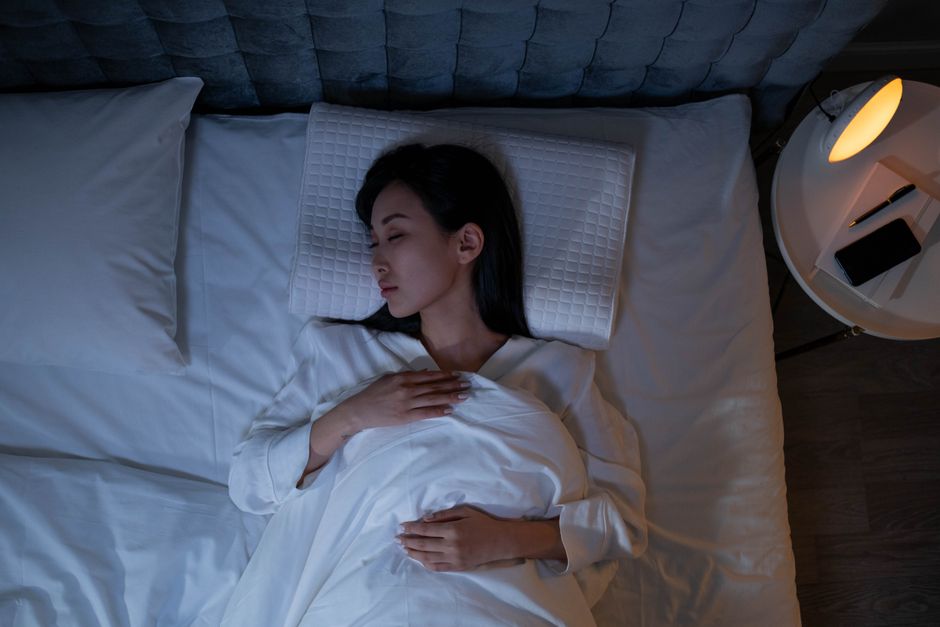
Most adults in Kuwait City are sleeping in rooms that are actively working against them. That is the blunt assessment coming from sleep specialists and wellness coaches operating across the capital this summer, as July temperatures outside push past 46°C and indoor environments become the last line of defence for quality rest. The problem is not always stress or screens — often, it starts with the room itself.
The conversation around sleep health has accelerated sharply in the Gulf over the past 18 months. Hormonal research published earlier this year drew fresh attention to the role of melatonin suppression in poor sleep, with evidence pointing to artificial light exposure and irregular temperatures as primary culprits in urban populations. For Kuwait City residents, where air conditioning runs around the clock from May through September and blackout curtains are still considered a luxury rather than a standard fitting, the timing of this discussion matters.
Sleep environment checklists used by certified coaches at centres like the Al-Tijaria Tower wellness clinic in Sharq and the Bait Al-Afya health hub off Gulf Road in Salmiya typically cover six core factors: room temperature, light control, acoustic insulation, air quality, mattress age, and electronic device placement. Each one is measurable and fixable without a major renovation.
Temperature is the most frequently cited issue in Kuwait. The World Health Organization recommends a sleeping environment of between 18°C and 20°C — a range that most residents run their AC units well below, often setting thermostats at 16°C or cooler. Paradoxically, that overcorrection disrupts the body's natural core temperature drop, which needs to happen gradually to trigger deep sleep cycles. Specialists recommend a 19°C target with a light cotton duvet rather than a heavy comforter, even in winter months when outdoor temperatures fall.
Light control is the second major factor. A 2023 study published in the Journal of Clinical Sleep Medicine found that even 10 lux of ambient light — roughly equivalent to a dim nightlight — measurably reduced REM sleep duration in adults over 35. Kuwait City's urban glow, particularly in dense residential districts like Rumaithiya and Salmiya along the Fifth Ring Road corridor, means bedrooms without blackout curtains or external shutters receive significantly more ambient light than residents realise. Blackout roller blinds from suppliers on Abdullah Al-Mubarak Street in Hawalli currently retail between KD 18 and KD 45 per window, depending on size and fabric weight.
Indoor air quality rarely makes the checklist conversations but arguably should top it. Kuwait's dust season, which peaks between April and August, pushes particulate matter levels indoors even with windows sealed. The Kuwait Environment Public Authority recorded PM2.5 readings above 75 micrograms per cubic metre on 34 separate days in the first half of 2026. A HEPA-grade air purifier placed within two metres of the bed can reduce particulate exposure significantly. Models adequate for a standard Kuwaiti bedroom of 20 to 25 square metres are available at Xcite Electronics in Al-Rai for between KD 55 and KD 120.
Mattress age is simpler mathematics. The Sleep Foundation puts average mattress lifespan at seven to ten years. A mattress beyond that threshold loses around 16 percent of its support capacity annually, measurably affecting spinal alignment and increasing micro-arousals through the night. The Kuwait Consumer Protection Society advises residents to check mattress purchase receipts and treat anything purchased before 2018 as a priority replacement.
The practical starting point is a single evening audit. Walk into the bedroom two hours before your intended sleep time and note what you see, hear, smell and feel. Is the AC running but blowing dry air with no humidity control? Is a phone charger pulsing light from a corner? Is street noise from the Gulf Road evening traffic filtering through a single-pane window? Each item on the checklist is a lever. Pull enough of them and the cumulative effect on sleep quality is substantial. For personalised assessment, the Kuwait Association for Sleep Medicine, which operates a referral network through several hospitals in Mishref and Jabriya, offers initial consultations for residents seeking a clinical baseline before making changes.

Wellness

Wellness

Wellness

Wellness
About this article
Published by The Daily Kuwait City
Spread the word
Daily brief
Free, in your inbox before 7am. Weekdays.
The Daily Network — local news across Australia