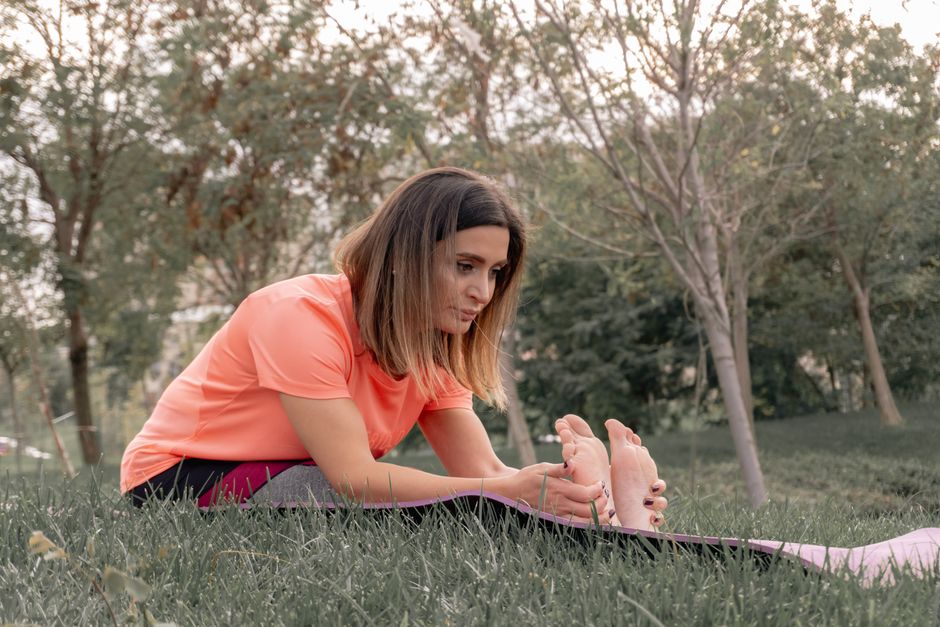
Exercise reduces clinically measured anxiety symptoms by up to 48 percent, according to a 2023 meta-analysis published in the British Journal of Sports Medicine covering more than 97,000 participants across 15 countries. That number is not abstract in Kuwait City, where heat, long working hours and a post-pandemic cultural reckoning with mental health have pushed stress management to the top of the public wellness agenda in the summer of 2026.
The timing matters. July in Kuwait City means temperatures regularly breach 47°C by mid-afternoon, which compresses outdoor activity into narrow early-morning or late-evening windows. The psychological effect of that confinement compounds seasonal stress. Psychologists working at clinics along Arabian Gulf Street report a consistent uptick in anxiety-related consultations between June and September — a pattern that has sharpened noticeably since 2022, when the Ministry of Health began formally tracking outpatient mental health visits for the first time.
Why Movement Works on the Anxious Mind
The mechanism is well established. Aerobic exercise triggers the release of endorphins and reduces baseline levels of cortisol, the body's primary stress hormone. A 20-minute session of moderate-intensity exercise — a brisk walk, a cycling class, even a sustained swim — is enough to produce measurable drops in state anxiety for up to two hours afterward, according to research from the American Psychological Association. Crucially, the effect is cumulative: people who exercise three or more times per week show structurally lower anxiety trait scores than sedentary peers, not just temporary mood lifts.
Resistance training earns less popular attention than cardio but deserves it. A 2024 review in JAMA Psychiatry found that weight training sessions conducted two to three times weekly reduced generalised anxiety disorder symptoms with an effect size comparable to first-line psychological therapies. The researchers attributed this partly to improvements in sleep quality — itself a powerful anxiety buffer — and partly to the sense of physical agency that strength work provides.
Where Kuwait City Residents Are Putting This Into Practice
The city's fitness infrastructure has grown substantially to meet demand. Oxygen Gym in Salmiya, one of the largest training facilities in the Gulf region with over 40,000 square feet of floor space, now runs a dedicated mental wellness membership tier that pairs physical training plans with monthly check-ins with a certified wellness coach. The programme, introduced in January 2026 at 85 Kuwaiti dinars per month, filled its initial 200 slots within three weeks.
At the community end of the spectrum, Kuwait Fitness Trails — a network of marked outdoor circuits maintained by Kuwait Municipality — has extended its Al-Shaheed Park route by 1.4 kilometres since March 2026, linking the park's eastern boundary to the waterfront promenade near the Dhow Harbour. Early morning running groups now gather there regularly on Fridays, with some organised informally through neighbourhood WhatsApp groups in districts like Rumaithiya and Bayan. Participation costs nothing, which matters: not every resident can afford a premium gym membership, and accessibility is part of what makes exercise a public health tool rather than a luxury.
For those working through diagnosable anxiety rather than everyday stress, the Kuwait Centre for Mental Health on Airport Road offers an integrated programme that combines cognitive behavioural therapy sessions with structured physical activity prescriptions. The centre's eight-week CBT-plus-exercise cohort, running three times annually, accepts referrals from general practitioners across the capital.
The practical upshot is straightforward. Three sessions of 30 minutes of moderate aerobic activity each week — achievable before 7 a.m. along the Gulf Road corniche or after 8 p.m. at an air-conditioned facility in Sharq or Salmiya — appears to be the threshold at which anxiety benefits become reliable rather than incidental. That dose is lower than most people assume, which is precisely the point. You do not need to be training for a marathon. You need to be moving consistently, and in Kuwait City right now, the infrastructure to do that has never been more accessible. Anyone experiencing persistent or severe anxiety symptoms should speak with a licensed healthcare professional before relying on exercise alone as an intervention.