Wellness
Building Psychological Resilience With Small Daily Habits
Kuwait City's wellness community is turning to micro-routines — not grand overhauls — to shore up mental health through the region's punishing summer months.
4 min read
Wellness
Kuwait City's wellness community is turning to micro-routines — not grand overhauls — to shore up mental health through the region's punishing summer months.
4 min read
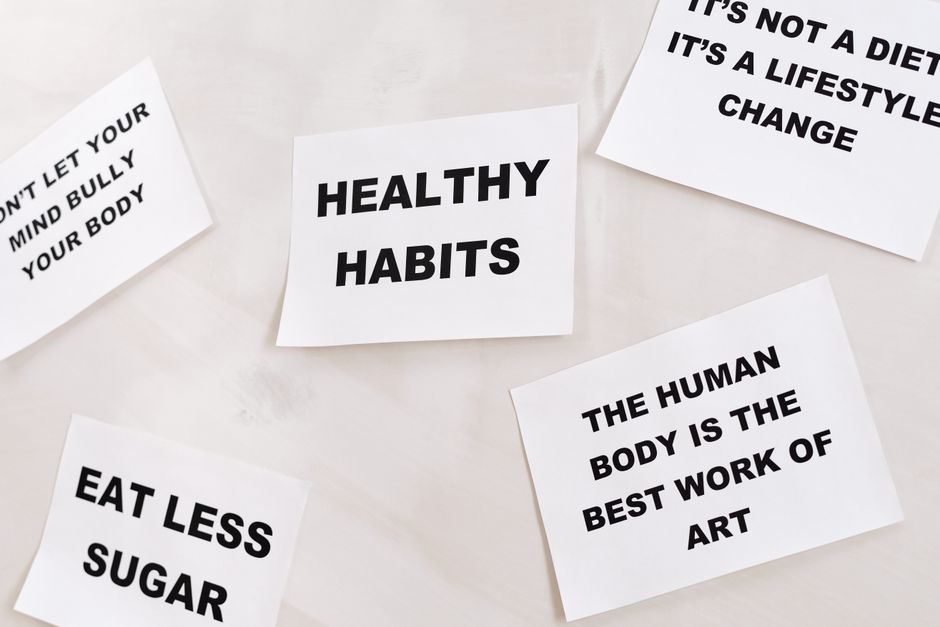
The temperature outside the Avenues Mall hit 48°C on Wednesday. That number alone tells you something about July in Kuwait — the month when outdoor life contracts, commutes become ordeals, and psychologists here say stress levels quietly spike. The good news: researchers and local practitioners tracking Gulf mental health trends report that five-to-ten minute daily habits, practiced consistently, show measurable improvements in anxiety and resilience scores within eight weeks. No gym membership required.
The timing matters. Kuwait's public sector workforce — roughly 80 percent of Kuwaiti nationals, according to Central Statistical Bureau figures from 2025 — navigates a compressed social calendar during summer, with Eid gatherings behind them and the school year still two months away. That mid-summer lull, combined with relentless indoor confinement, creates what mental health professionals across the Gulf describe as a particular kind of seasonal flatness. It is not clinical depression for most people, but it erodes the psychological buffer that keeps irritability, sleeplessness, and low motivation in check.
The concept driving Kuwait City's current wellness conversation is not complicated: the brain responds to predictability. When small, controllable actions get repeated daily, they signal safety to the nervous system and gradually lower baseline cortisol. A five-minute journaling practice before the Fajr prayer. Three slow, deliberate breaths at the elevator before a meeting at a Sharq office tower. A ten-minute walk along the Gulf Road Corniche at dusk, when the air finally drops below 38°C. None of these feel heroic. That is precisely the point.
The World Health Organization's 2024 Mental Health Atlas recorded that Kuwait spends approximately 2.1 percent of its total health budget on mental health services — a figure consistent with regional neighbours but well below the WHO's recommended 5 percent threshold. That gap means most people managing everyday stress do so without clinical support. Self-directed, evidence-based habits are not a luxury here; they are a practical necessity.
Two Kuwait City institutions have started building that reality into structured programming. The Soor Mental Wellness Centre in Salmiya now runs a six-week Arabic-language resilience course — KD 35 per participant — built around daily micro-habit stacking: gratitude notation, breath-pacing, and what facilitators call 'attentional anchoring,' the practice of naming five sensory details in your immediate environment to interrupt a rumination cycle. Meanwhile, the LOYAC youth development organisation, headquartered near the National Assembly building in Dasman, folded a stress-literacy module into its summer 2026 programme for participants aged 15 to 24, reaching an estimated 400 young Kuwaitis between June and August.
Consistency is the variable that separates habit from intention. Research published in the European Journal of Social Psychology — the oft-cited 2010 study by Phillippa Lally at University College London — found that new behaviours take an average of 66 days to become automatic, not the folklore figure of 21 days. That means a habit started today in Kuwait City will feel genuinely effortless sometime around early September, just as children return to school and social rhythms resume. The timing is unusually good.
Practitioners suggest anchoring new habits to existing ones already embedded in the Gulf routine. Pair a two-minute breathing exercise with the afternoon Asr prayer. Add a brief phone-free period to the Diwaniya gathering already happening on Thursday evenings. Walk the ground floor of 360 Mall before entering the food court — fifteen minutes of low-intensity movement that counts toward the 150 minutes of weekly moderate activity the WHO recommends for mental wellbeing.
The strategy requires no equipment and very little time. What it does require is treating the mind with the same deliberate attention Kuwait's active wellness culture already extends to the body. The Corniche at sunset is free. The habit, once built, costs nothing to maintain. Start with one. Add another in a month. The architecture of resilience, it turns out, is assembled one unremarkable Tuesday at a time.
Anyone experiencing persistent low mood or anxiety is encouraged to consult a licensed mental health professional. The Kuwait Ministry of Health operates a mental health helpline reachable at 1800600.

Wellness

Wellness

Wellness

Wellness
About this article
Published by The Daily Kuwait City
Spread the word
Daily brief
Free, in your inbox before 7am. Weekdays.
The Daily Network — local news across Australia