Wellness
Kuwait City's Free Outdoor Gyms Transform Public Parks Into Fitness Hubs
From Al-Shaab Park to the Gulf Road Corniche, a new generation of no-cost fitness stations is reshaping how residents move their bodies under the open sky.
4 min read
Wellness
From Al-Shaab Park to the Gulf Road Corniche, a new generation of no-cost fitness stations is reshaping how residents move their bodies under the open sky.
4 min read
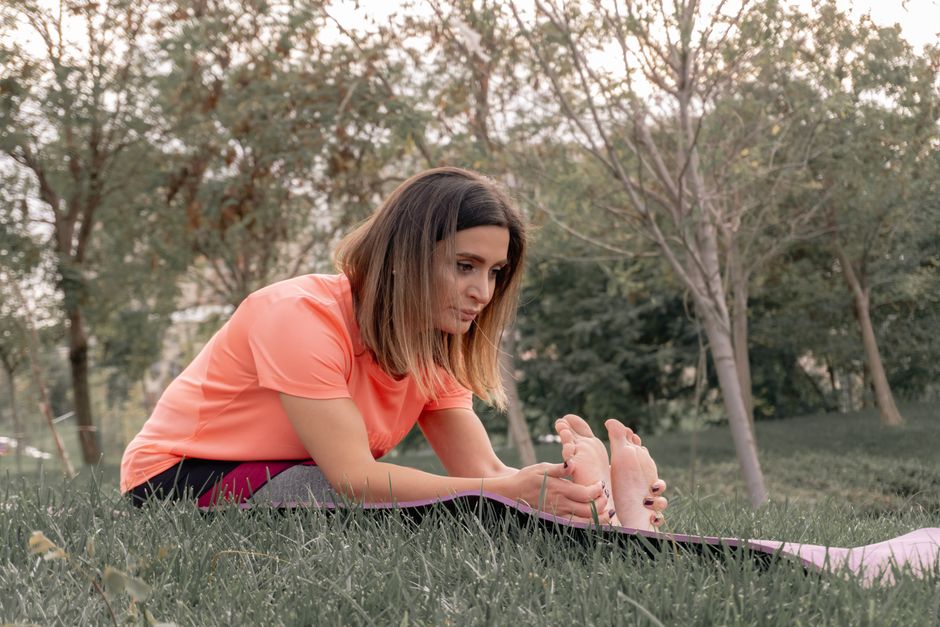
The equipment is bolted into concrete, it costs nothing to use, and on any given evening before sunset, it draws a crowd. Kuwait City's network of free outdoor fitness stations has expanded quietly but substantially over the past three years, with the Kuwait Municipality logging more than 40 refurbished or newly installed outdoor gym clusters across the capital's main parks and seafront promenades since 2023. For a city where gym memberships at private facilities routinely run between 25 and 60 Kuwaiti dinars a month, that matters.
The timing is not accidental. Kuwait's Vision 2035 development framework set measurable targets for public recreational infrastructure, and the Ministry of Public Works has channelled a portion of its urban renewal budget specifically into outdoor fitness installations. Demand has been climbing alongside awareness about non-communicable diseases — Kuwait's rate of obesity among adults sat at roughly 37 percent in the most recent Gulf Health Council survey, one of the highest figures in the GCC region, and public health planners have been looking for low-barrier interventions that reach people outside clinical settings.
The Corniche strip running along Arabian Gulf Street between the Kuwait Towers and the Scientific Center in Salmiya remains the single most usable outdoor fitness corridor in the city. The path stretches close to 30 kilometres in total, but the densest concentration of pull-up bars, resistance machines, balance beams, and stretching stations sits in the section between the Sharq Marina and the Dasman area — roughly a two-kilometre run that takes most people past three separate equipment clusters. The lighting is adequate after dark, the pavement is maintained, and the sea breeze makes a meaningful difference during the cooler months between October and April.
Al-Shaab Leisure Park in Rumaithiya is the other anchor. The park, which charges a nominal entry fee of 500 fils for adults on weekends but waives it on weekday mornings before 8 a.m., contains a purpose-built fitness circuit that was renovated in late 2024. The circuit includes 12 stations targeting upper body, core, and lower body muscle groups in sequence, and it is designed to work as a complete 40-minute session if you follow the numbered route. Early morning regulars — and there are many, particularly among South Asian and Egyptian expatriate communities who make up a substantial share of Kuwait City's population — treat the numbered route as a communal ritual rather than a solitary workout.
Al-Jahra Public Park, further west along the Sixth Ring Road, draws a different crowd. The space is larger and less manicured than Al-Shaab, but the outdoor gym equipment installed by the municipality in mid-2025 is newer, and the park is less crowded, which makes it practical for anyone who wants to move through a circuit without waiting. The Kuwait City Running Club, an informal group that posts meetups on its social media pages, uses Al-Jahra Park for its Thursday evening sessions at least twice a month.
Heat is the governing fact of outdoor exercise in Kuwait. July temperatures in the city regularly exceed 45 degrees Celsius by midday, and the Ministry of Health has consistently advised against strenuous outdoor activity between 11 a.m. and 4 p.m. during summer months. That window is currently enforced as a formal outdoor labour ban for workers in exposed environments. For recreational fitness, it is simply common sense. The usable window runs from roughly 5:30 a.m. to 9 a.m., then reopens after 7 p.m. when temperatures begin to ease.
Hydration infrastructure at the public parks has improved — most major sites now have drinking water points within the fitness areas — but carrying your own bottle remains advisable. The Kuwait Municipality's parks department has a complaint and suggestion line accessible through the Baladia app, which residents have used to report broken equipment with reasonable response times, typically two to three weeks for minor repairs based on user accounts on local community forums.
Anyone with an underlying health condition should speak with a physician at one of the country's primary health care centres before starting a new outdoor regimen. The Ministry of Health runs 97 primary health centres across Kuwait's six governorates, and most offer basic fitness assessments without an appointment charge for registered residents. The equipment outside is free. The advice to use it safely is also free.
This article was compiled by AI and screened before publishing. See our editorial standards.

Wellness

Wellness

Wellness

Wellness
About this article
Published by The Daily Kuwait City
Spread the word
Daily brief
Free, in your inbox before 7am. Weekdays.
The Daily Network — local news across Australia