wellness
Neuroimaging Study Proves Meditation Reshapes Brains in Kuwait City
New neuroimaging research is giving Kuwait City's growing meditation community hard evidence that sitting still for 20 minutes a day reshapes the brain in measurable ways.
How we reported this
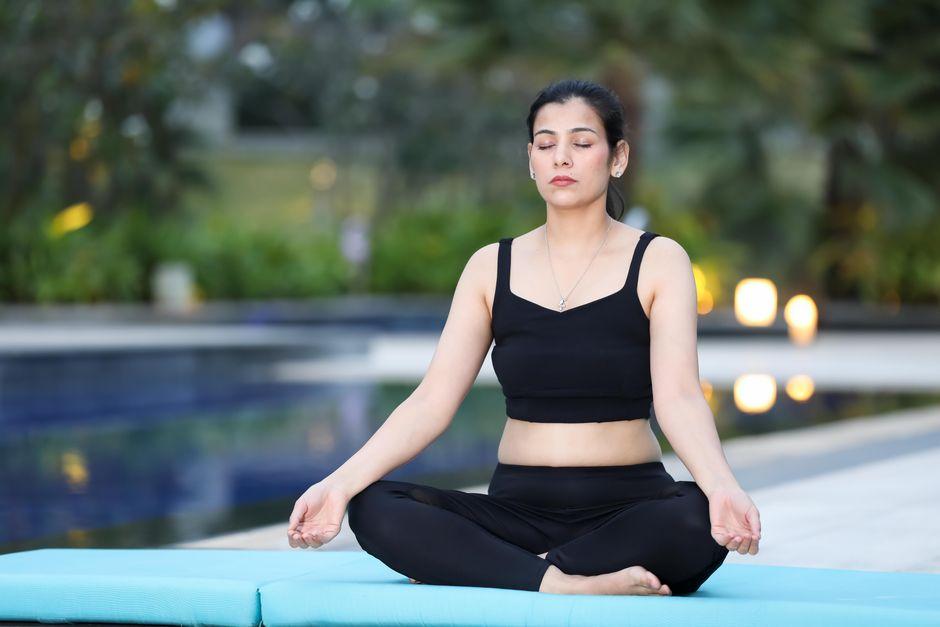
The amygdala shrinks. The prefrontal cortex thickens. These are not metaphors from a self-help book, they are documented structural changes that appear in MRI scans of people who meditate regularly, and researchers at institutions including Harvard Medical School have been cataloguing them since at least 2011. For Kuwait City's expanding wellness scene, that science is now arriving on yoga mats and in corporate boardrooms alike.
The timing is not coincidental. Gulf heat peaks in July, routinely pushing Kuwait City above 47°C, which keeps residents indoors for much of the day. That enforced stillness, combined with a post-Ramadan cultural rhythm that already values quiet reflection, has given mindfulness studios and workplace wellness programs a captive audience through the summer months. Practitioners and fitness operators say July and August account for nearly 40 percent of their annual new sign-ups.
What the Research Actually Shows
The core finding, replicated across dozens of peer-reviewed studies, is that eight weeks of Mindfulness-Based Stress Reduction, the structured program developed by Jon Kabat-Zinn at the University of Massachusetts in 1979, produces detectable grey matter changes in the hippocampus, the region governing learning and memory. At the same time, grey matter density in the amygdala, the brain's threat-response hub, decreases. Participants report lower anxiety and the scans confirm a biological basis for that relief.
A 2018 meta-analysis published in the journal Neuroscience and Biobehavioral Reviews examined 78 separate studies and found consistent evidence that meditation modulates the default mode network, the mental chatter that fires when you are doing nothing in particular. Quieting that network is linked to reduced rumination, one of the key drivers of depression. The practical upshot: 20 minutes of focused breath work daily, sustained over two months, is enough to begin producing measurable neurological change.
Cortisol, the hormone that floods the body under stress, also responds. A controlled trial published in Psychoneuroendocrinology found that participants who completed an eight-week mindfulness program showed a 14.3 percent reduction in cortisol levels compared to a control group. Elevated cortisol is associated with hypertension, disrupted sleep, and immune suppression, conditions that Kuwaiti public health data has flagged as priority concerns given the country's high rates of metabolic disease.
Where Kuwait City Is Putting This Into Practice
Several local operations are building programs explicitly around the evidence base. Breathe Studio, located on Gulf Road in Salmiya, has been running an eight-week MBSR-aligned course since January 2026, priced at 85 Kuwaiti dinars for the full program. The studio works with a curriculum modelled on clinical protocols rather than loosely branded relaxation sessions, a distinction its instructors make repeatedly in marketing materials.
At the Avenues Mall wellness district in Al Rai, The Mindful Space opened its second Kuwait City location in March 2026 and reports that Thursday evening sessions, timed between Maghrib and Isha prayers, consistently sell out within 48 hours of booking opening. The venue offers drop-in classes at 8 KD per session and a monthly unlimited membership at 55 KD.
Corporate adoption is also accelerating. Kuwait Finance House introduced a pilot employee wellness initiative in Q1 2026 that includes bi-weekly guided meditation sessions for staff at its Sharq headquarters. Occupational health professionals involved in designing such programs point to productivity research from the American Psychological Association suggesting that mindfulness training reduces workplace absenteeism by an average of 28 percent over a 12-month period.
For anyone looking to start without a studio membership, the entry point is low. A consistent daily practice of 10 to 20 minutes, using free apps such as Insight Timer, which has an Arabic-language interface, delivers results comparable to in-person instruction for beginners, according to a 2023 study in JMIR Mental Health. The science does not require expensive equipment or perfect silence. It requires repetition.
Those with existing conditions, hypertension, anxiety disorders, or a history of trauma, should speak with a physician or licensed mental health professional before beginning any structured mindfulness program. Several practitioners at clinics along Mubarak Al Kabeer Street in Kuwait City now integrate referrals to meditation instruction into standard care plans, a small but notable shift in how the medical community here is treating the evidence.