Wellness
Mindfulness in Schools: What Local Programs Are Available
Kuwait City classrooms are quietly embracing meditation and mindfulness training, but the programs vary widely in quality, access, and staying power.
4 min read
Updated 5 h ago
Wellness
Kuwait City classrooms are quietly embracing meditation and mindfulness training, but the programs vary widely in quality, access, and staying power.
4 min read
Updated 5 h ago
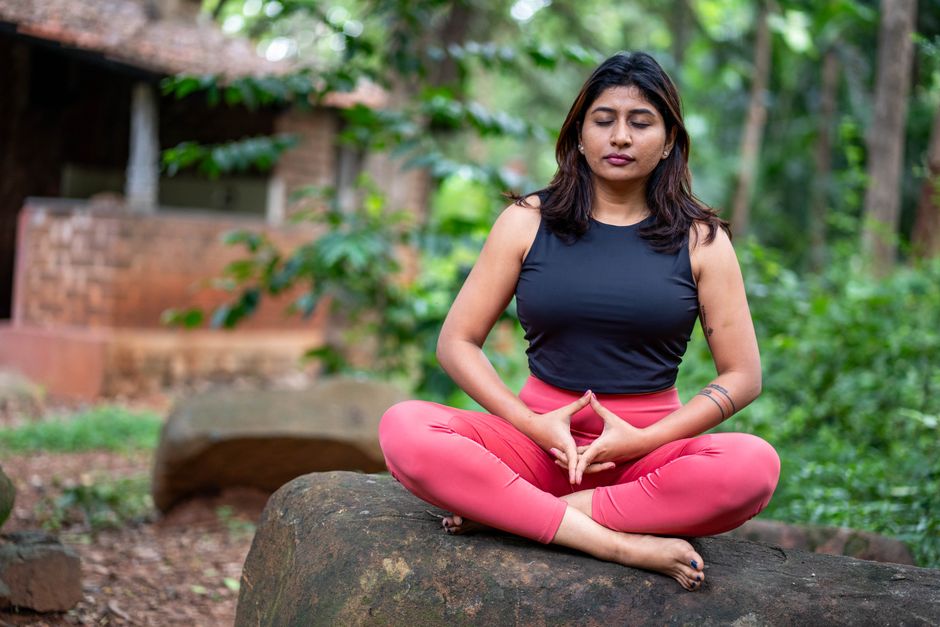
At least a dozen private schools across Kuwait City introduced structured mindfulness programs into their weekly schedules during the 2025–2026 academic year, according to figures compiled by the Kuwait Private Schools Association. The shift marks one of the more concrete signs that student mental wellness is being treated as a curriculum priority, not just a talking point at parent evenings.
The timing is not accidental. Post-pandemic anxiety rates among Kuwaiti schoolchildren remain elevated. A 2024 survey by the Kuwait Society for the Advancement of Arab Children found that 38 percent of students aged 10 to 16 reported persistent stress linked to academic pressure — a figure that prompted the Ministry of Education to begin piloting a Social-Emotional Learning framework in 14 public schools in January 2025. Mindfulness instruction is embedded in that framework as a core component, not an optional add-on.
The American School of Kuwait, located in Hawalli, runs a twice-weekly mindfulness block for students in grades 4 through 9. The sessions, typically 15 minutes long, combine guided breathing exercises with short body-scan techniques drawn from the Mindfulness-Based Stress Reduction curriculum developed at the University of Massachusetts. The school brought in a certified facilitator from the Gulf Wellness Collective — a Salmiya-based training organisation — to lead staff development workshops in September 2025 before rolling the program out to students.
The British School of Kuwait in Rumaithiya takes a slightly different approach. Rather than dedicated mindfulness classes, the school has woven short attention-training exercises into existing PSHE lessons. Teachers received six hours of in-service training through the Breathe Arabia platform, which offers Arabic-language mindfulness content specifically developed for the Gulf region and priced its institutional licence for schools at around KD 480 per academic year as of the 2025 intake. That price point has made it attractive for smaller private schools with limited wellness budgets.
On the public-school side, the Ministry of Education pilot is running across schools in Farwaniya and Jahra governorates. Counsellors at those sites have been trained in a simplified four-week mindfulness module — eight sessions total — that school psychologists helped adapt from international models to fit a Kuwaiti classroom context, including Islamic mindfulness concepts such as muraqaba, the practice of self-awareness rooted in Sufi tradition. Early internal feedback from the pilot, shared at a Ministry briefing in April 2026, described teacher confidence in delivering the material as the biggest variable affecting results.
The global research base for school mindfulness is substantial but mixed. A 2023 meta-analysis published in the journal School Mental Health, covering 57 controlled studies across 14 countries, found that mindfulness programs reduced self-reported anxiety in students by an average of 19 percent when programs ran for at least eight weeks. Shorter, one-off interventions showed almost no lasting effect. That distinction matters for Kuwait, where some schools have limited programs to a single term or delivered them only during exam season.
Parents in Salmiya and Mishref report noticing the difference when programs have consistency. Several described their children voluntarily using breathing techniques at home before tests — a small but telling sign of genuine transfer beyond the classroom. The concern raised by a number of school counsellors, speaking generally rather than on behalf of their institutions, is that mindfulness risks becoming a box-ticking exercise if schools do not invest in ongoing teacher training after the initial workshop phase.
For families looking to support the practice outside school hours, the Gulf Wellness Collective offers weekend youth mindfulness workshops at its Salmiya centre, currently priced at KD 15 per session for ages 8 to 14. The Ministry of Education's Social-Emotional Learning pilot is expected to expand from 14 to 30 public schools by the start of the 2026–2027 academic year in September. Parents with children in schools not yet running any program are encouraged to raise the issue with school counsellors directly — several schools have added programs specifically after parent-group requests. As always, consult a qualified healthcare or educational psychology professional for advice tailored to your child's individual needs.

Wellness

Wellness

Wellness

Wellness
About this article
Published by The Daily Kuwait City
Spread the word
Daily brief
Free, in your inbox before 7am. Weekdays.
The Daily Network — local news across Australia