wellness
Kuwait City Residents Balance Daytime Naps Against Nighttime Sleep Quality
Kuwait City residents are weighing the benefits of short daytime rests against their impact on nighttime sleep as summer heat peaks.
Listen in English · 3 min
How we reported this
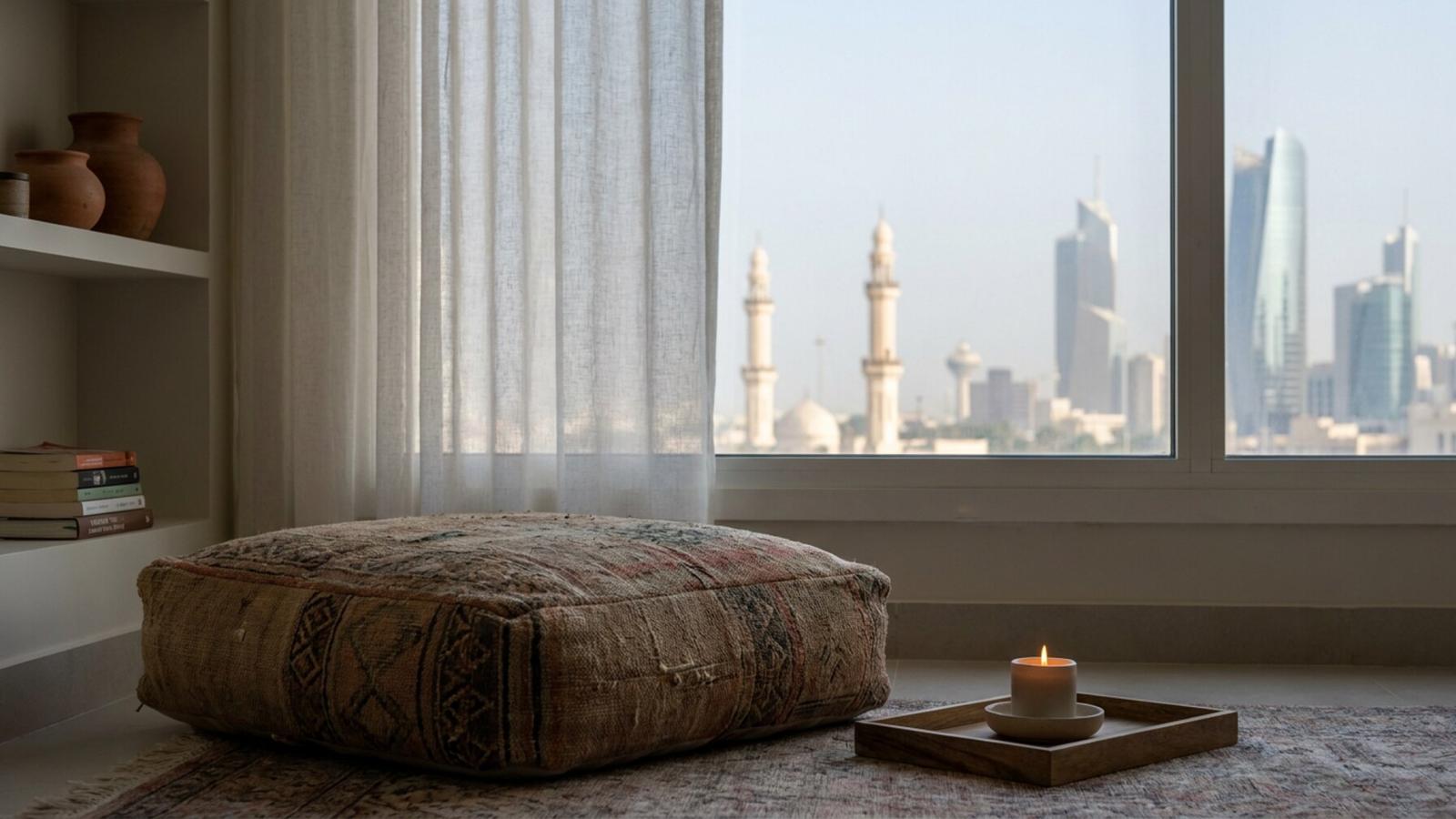
More than 35 percent of adults in Kuwait City took at least one nap longer than 45 minutes on weekdays in June 2026, according to data released this week by the Kuwait Ministry of Health.
The finding arrives as daytime temperatures routinely exceed 45 degrees Celsius and many offices maintain split shifts that end after 2 p.m. Longer naps can leave people groggy for evening activities, while shorter ones may sharpen focus during the hottest hours. Local wellness coaches report rising inquiries about nap timing from residents in Salmiya and Hawalli who juggle long commutes along Gulf Road.
When short rests restore alertness
At the Al Salam International Hospital wellness clinic in Shuwaikh, staff run a six-week program that teaches participants to limit naps to 20 minutes between 1 p.m. and 3 p.m. Participants track their results through wearable devices supplied by the clinic. One group that finished the course in late June reported an average 18-minute reduction in time needed to fall asleep at night. Similar guidance is offered at the Marina Mall fitness centre, where trainers pair nap advice with hydration checks for members who exercise outdoors after sunset.
Research published by the Kuwait Institute for Scientific Research in May 2025 showed that naps of 10 to 30 minutes improved reaction times on driving simulators by 12 percent when tested three hours later. The study involved 87 volunteers aged 25 to 55 who commuted daily through the Fourth Ring Road area.
When longer naps create new problems
Naps that stretch past 40 minutes often trigger sleep inertia, the heavy feeling that lingers after waking. Ministry of Health figures indicate that adults who nap more than an hour report 22 percent more instances of nighttime insomnia than those who nap briefly or not at all. In Kuwait City’s humid July evenings, this pattern can compound when air-conditioning cycles keep bedrooms cooler than ideal for deep sleep.
Residents can test their own patterns by logging nap length and bedtime for one week, then adjusting duration in 10-minute steps. Anyone experiencing persistent fatigue should consult a physician at a licensed Kuwait City clinic before changing routines.