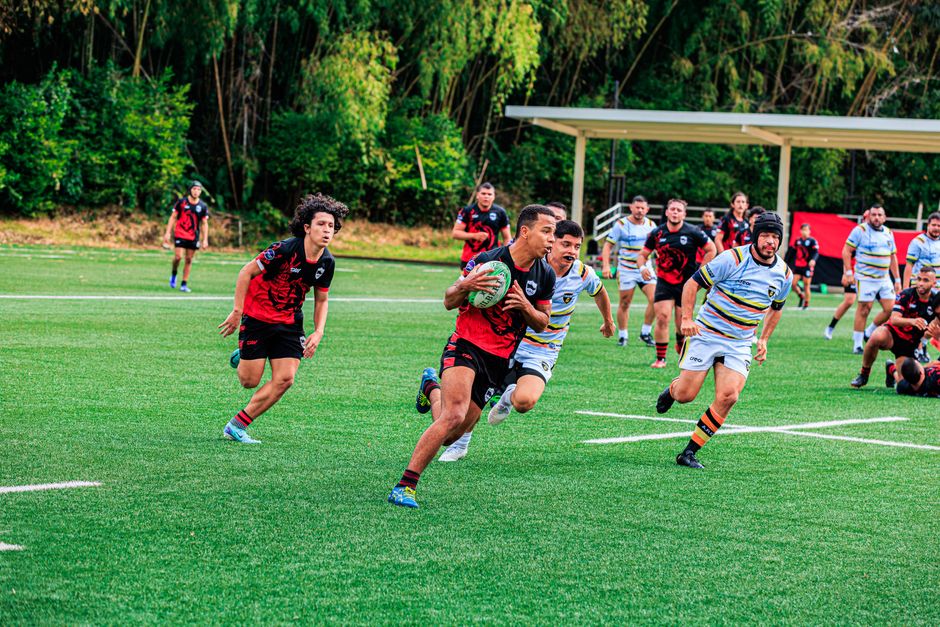
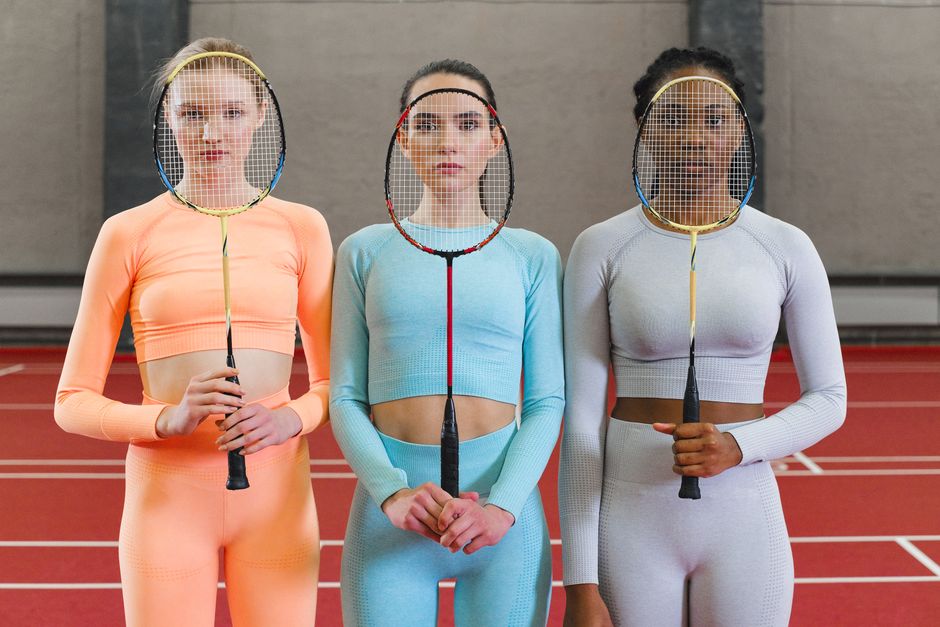
Registration numbers tell the story bluntly: community sport enrolment across Kuwait City's municipal districts climbed 34 percent in the twelve months ending June 2026, according to figures held by the Kuwait Olympic Committee. Weekend football pitches in Rumaithiya are full by seven in the morning. Waiting lists for five-a-side slots at the Salmiya Sports Club complex stretched to six weeks this spring. Something structural is happening at the base of Kuwaiti sport, and it has little to do with the professional game.
The timing matters. The Gulf region is riding an enormous wave of sport infrastructure investment — Saudi Arabia's 2034 World Cup preparations are pulling regional attention — and Kuwait's own federations have spent the past two years arguing internally about elite pathways. But while that debate runs in conference rooms, a parallel, quieter revolution has been happening on the ground, driven by volunteer organisers, WhatsApp group administrators and local businesses sponsoring kit in denominations of 50 dinars at a time.
The Clubs Nobody Built a Stadium For
Two organisations sit at the centre of this movement. The first is the Yarmouk Community Football Initiative, a registered volunteer body that has operated out of the Yarmouk district's public recreation ground since 2021. It now runs twelve separate age-group teams, from under-8s through to a veterans' side for players over 40. Annual membership costs 25 Kuwaiti dinars, and the programme absorbed more than 300 new participants between January and May 2026 alone. The second is the Kuwait City Women's Running Collective, founded in 2023 and now coordinating weekly 5K routes through the Corniche from the Al-Sharq waterfront all the way to the Marina Crescent. Membership crossed 800 active participants in April.
Neither organisation receives direct government funding. Both rely on a combination of corporate micro-sponsorship, equipment donated by the Kuwait Football Association's community outreach arm and the labour of coaches who hold day jobs in engineering firms and government ministries. One certified UEFA B-licence coach affiliated with the Yarmouk initiative commutes from Hawalli three evenings a week purely on a voluntary basis. That pattern repeats across the city.
Padel has emerged as the fastest-growing discipline. Courts at the Gate Mall complex in Egaila reported a 60 percent increase in court bookings year-on-year, and at least four new padel facilities opened within the Fourth Ring Road corridor during the first half of 2026. An hourly slot runs between 8 and 15 dinars depending on time of day — accessible enough to draw mixed-age groups who had no previous sport habit.
Scores, Standings and What's Ahead
On the competitive side, the Kuwait Premier League wrapped its regular season on June 28 with Al-Arabi finishing three points clear of Kuwait SC. Both clubs advance directly to Asian Football Confederation qualification rounds scheduled for September. Al-Qadsia, sitting third, enter the domestic cup semi-finals on July 12 at Jaber Al-Ahmad International Stadium. Basketball's Kuwait Super League concluded its playoffs last weekend with Al-Kazma defeating Nuwayseeb by nine points in a tight Game 5 at the Sabah Al-Salem Sports Hall.
The grassroots layer feeds into these structures more directly than it used to. The Kuwait FA formally launched its Talent Bridge programme in March 2026, establishing a pipeline that allows community-level coaches to flag promising players aged 10 to 14 directly to federation scouts. Twenty-three players were registered through that channel in the programme's first three months.
For anyone looking to get involved before the summer intensifies further, the Yarmouk initiative opens its next registration window on July 14. The Women's Running Collective posts route details every Thursday evening through its public Instagram channel. And the Kuwait Olympic Committee's community sport office, based on Airport Road in the Shuwaikh administrative district, holds open consultation hours every Sunday between 9 a.m. and noon — no appointment needed. The infrastructure for participation exists. The question now is whether the institutions that govern Kuwaiti sport formalise their support before the volunteer networks that built this moment burn out carrying it alone.