Gold at $4,187, Bitcoin Surging, Oil Sliding: Kuwait Investors Face a Pivotal Reallocation Moment
A rare confluence of a collapsing oil price, record gold and a resurgent dollar-alternative is forcing Kuwait City savers to rethink where their money sits.
This article was generated by AI from the linked public sources. The Daily Kuwait City is independently owned and covers Kuwait City news free from advertiser or sponsor influence. Read our editorial standards →
Gold crossed $4,187 an ounce on Friday, up 4.10 percent in a single session, while WTI crude sank to $68.78 a barrel, down 2.78 percent. For Kuwait City households whose living standards are ultimately underwritten by petroleum revenues, that combination is not abstract market noise. It is a direct signal about the purchasing power of their savings, the health of the government budget that funds public sector salaries, and the returns available on investments they can actually access today. The investors already repositioning are those who read the divergence early.
The S&P 500 closed at 7,483, a gain of 1.71 percent, and the Nasdaq Composite reached 25,833, up 1.87 percent. Both moves were driven largely by technology and artificial intelligence-linked names whose earnings remain insulated from energy prices. Kuwaiti investors with exposure to US equity index funds, whether through the Kuwait Investment Authority's public market vehicles or through self-directed brokerage accounts at firms such as Boursa Kuwait-listed financial houses, are seeing real gains denominated in dollars. The EUR/USD rate of 1.1440, up 0.47 percent, means euro-area assets are also appreciating in dollar terms, offering an additional tailwind for anyone holding European equities or bonds.
Who Is Actually Benefiting Right Now
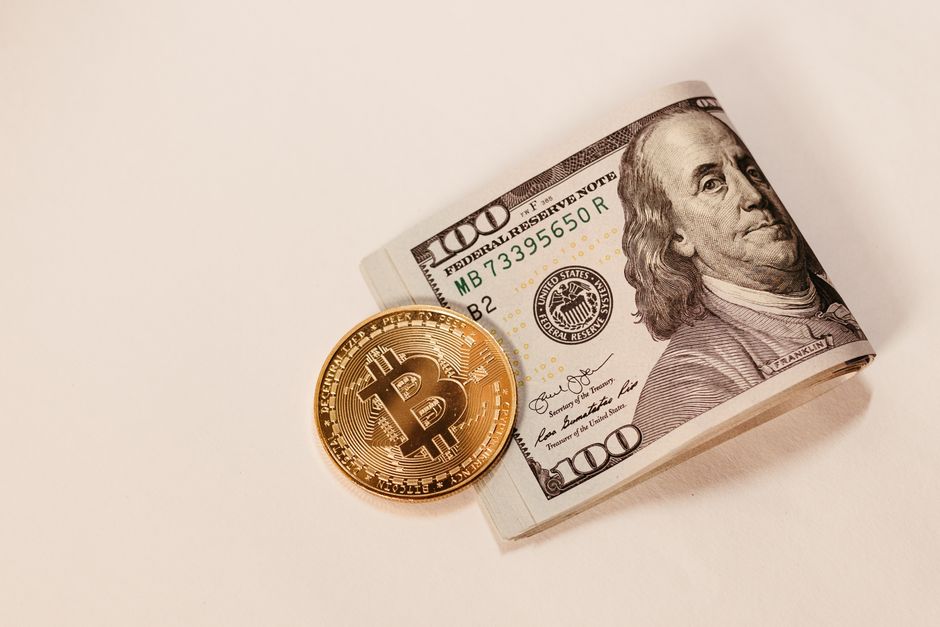
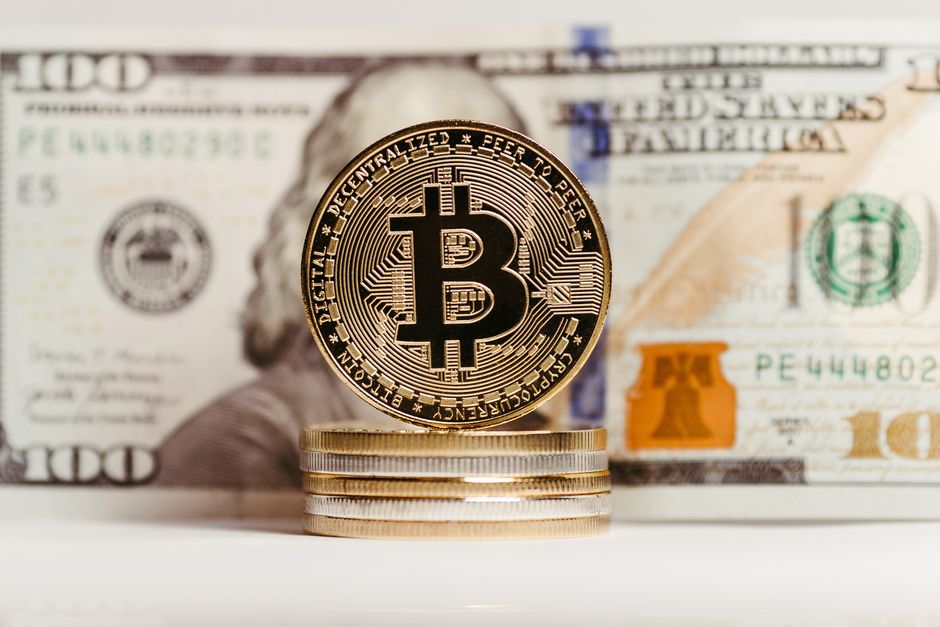
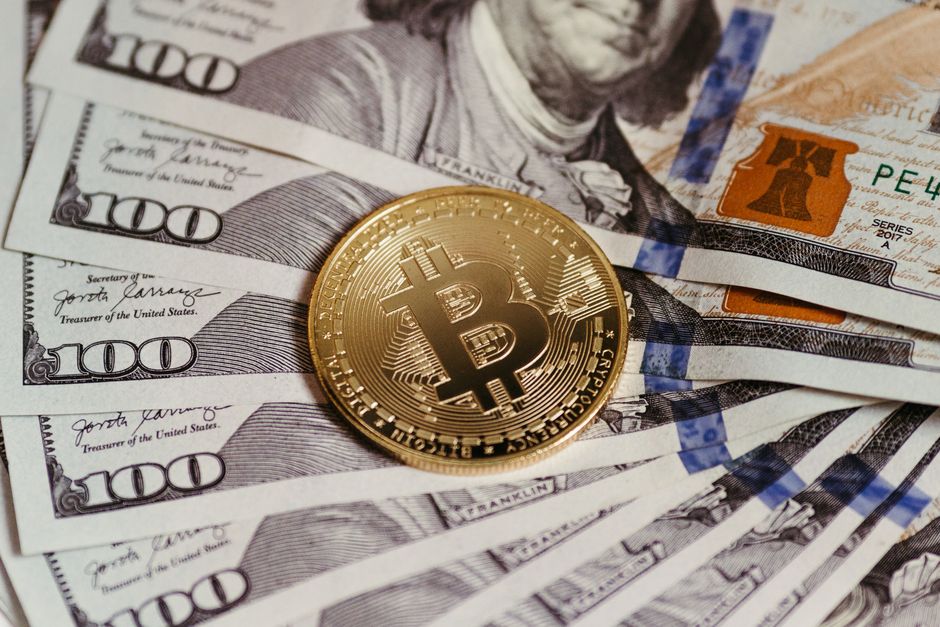
Three groups are winning in this environment. First, Kuwait City savers who shifted a portion of their liquid holdings into gold-linked instruments over the past 12 to 18 months are sitting on substantial gains. The metal is up sharply on the year, and at $4,187 the position is no longer speculative; it is a proven hedge against the oil-revenue softness that the current crude price reflects. Gold's 4.10 percent single-day move suggests institutional buying, not just retail sentiment, is driving the price. Second, those with dollar-denominated savings accounts or time deposits benefit from the Kuwaiti dinar's managed peg, which keeps KWD stable against the dollar basket. A softer oil price theoretically pressures that peg over a long cycle, but near-term it means dollar savers face no currency erosion. Third, younger, higher-risk investors who allocated even modest sums to Bitcoin are looking at a 6.66 percent gain on the day, with the token trading at $62,456. That is not a number to retire on, but for a Kuwait City professional who put 3 to 5 percent of a portfolio into digital assets as a satellite position, the gains are real and liquid.
The cost-of-living picture is more complicated. Kuwait's import bill for consumer goods, food and machinery is priced in dollars and euros. A stronger euro at 1.1440 makes European imports incrementally more expensive in dinar terms, even if the peg absorbs most of the shock. Meanwhile, domestically subsidised fuel and utilities mean Kuwaiti households are partly insulated from the crude-price drop in their day-to-day spending, unlike consumers in markets where petrol prices move with oil benchmarks. The real pinch comes indirectly: if oil stays at or below the $70 level, Kuwait's fiscal breakeven, which analysts broadly estimate in the high $70s to low $80s per barrel range, comes under pressure. That eventually feeds through to public spending, hiring and the business environment that supports private sector wages.
For the practically minded Kuwait City saver, Friday's snapshot suggests three adjustments worth considering before the third quarter closes. Trimming overweight positions in purely oil-linked local equities and rotating toward dollar-denominated global equity exposure has logic on both sides of the ledger: it captures the US technology rally while reducing single-commodity concentration. Maintaining a gold allocation of 5 to 10 percent of a liquid portfolio is no longer a contrarian view; at $4,187 it reflects institutional consensus. And for those with liabilities, such as personal loans or instalment-based purchases priced in dinars, the current period of relative currency stability is the right moment to accelerate repayment before any macro pressure forces a policy rethink.
The Boursa Kuwait All-Share index has its own dynamics tied to banking sector earnings, real estate listings and telecom names, none of which move in lockstep with New York. But the global signal from Friday is hard to ignore. Capital is rotating away from energy-sector exposure and toward technology, hard assets and, selectively, digital alternatives. Investors in Kuwait City who position themselves across all three categories, rather than remaining concentrated in a single oil-linked thesis, are the ones most likely to protect and grow real wealth through the second half of 2026. The window is open. Those who act in July will look back at this week's data points and call it obvious. Those who wait may not get the same entry levels.
Covering finance in Kuwait City. This article was generated by AI from the linked sources and was not reviewed by a human editor before publishing. See our editorial standards.