Gold hit $4,187 per troy ounce on Saturday morning Kuwait time, a single-session gain of 4.10% that puts the metal up sharply for the year and has rattled assumptions across Kuwait City's investment community. The move did not happen in isolation. WTI crude simultaneously fell 2.78% to $68.78 a barrel, the euro pushed to 1.1440 against the dollar, and the S&P 500 climbed to 7,483, up 1.71% on the session. Together, the signals point to a market pricing in something uncomfortable: global investors are hedging against dollar weakness and geopolitical uncertainty while simultaneously betting on continued American equity strength. For Kuwaiti businesses and their finance teams, that combination demands attention.
The dinar's informal peg to a currency basket dominated by the dollar means Kuwait is not immune to the dollar's slide. A weaker greenback, reflected in the EUR/USD rate touching 1.1440, erodes the purchasing power of dollar-denominated reserves held outside the country and makes imports priced in euros incrementally more expensive. Companies sourcing European capital goods, machinery or pharmaceuticals should be reviewing open foreign-exchange exposures this weekend. The Central Bank of Kuwait has kept rates broadly stable through mid-2026, but the external pressure from currency markets is building. Finance directors sitting on unhedged euro payables are carrying risk they may not have fully modelled.
Oil's Decline Cuts Both Ways for a Petro-Economy
Crude at $68.78 is the figure that will dominate conversations in Kuwait's finance ministry corridors next week. Kuwait's 2026-27 budget was constructed around oil price assumptions that most analysts placed in the low-to-mid $70s. A sustained dip below $70 tightens the fiscal arithmetic without triggering a crisis, but it compresses the buffer. For listed companies on Boursa Kuwait, particularly those in the petrochemicals and downstream sectors, a prolonged stay below $70 per barrel squeezes margins and, more practically, dampens the government's appetite for new project spending that feeds contractor revenues.
Businesses dependent on public-sector contracts, construction approvals or infrastructure procurement should not assume the spending cadence of the past 18 months continues automatically. Kuwait's capital spending plans under Vision 2035 remain ambitious on paper, but oil revenues fund the machinery. A $5-per-barrel shortfall held for a quarter translates into hundreds of millions of dinars less flowing through the system. CFOs in construction, logistics and engineering services should be stress-testing their receivables assumptions accordingly.
The Nasdaq Composite's 1.87% rally to 25,833 is a reminder that technology is pulling global equity markets higher even as commodity dynamics complicate the Gulf picture. Kuwait-based investors with exposure to US equity funds, including through the Kuwait Investment Authority's publicly known international portfolio or private accounts at local brokerages, have benefited materially from this run. The S&P 500 at 7,483 represents a level few predicted entering 2026. The practical question is whether local investors holding these positions should trim and repatriate gains, particularly given currency headwinds on the dollar side.
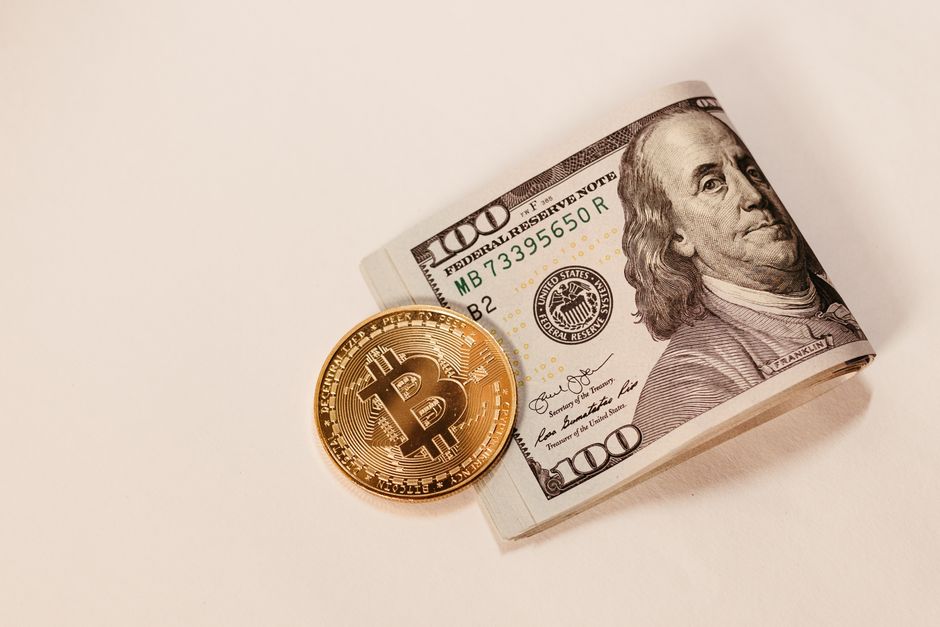
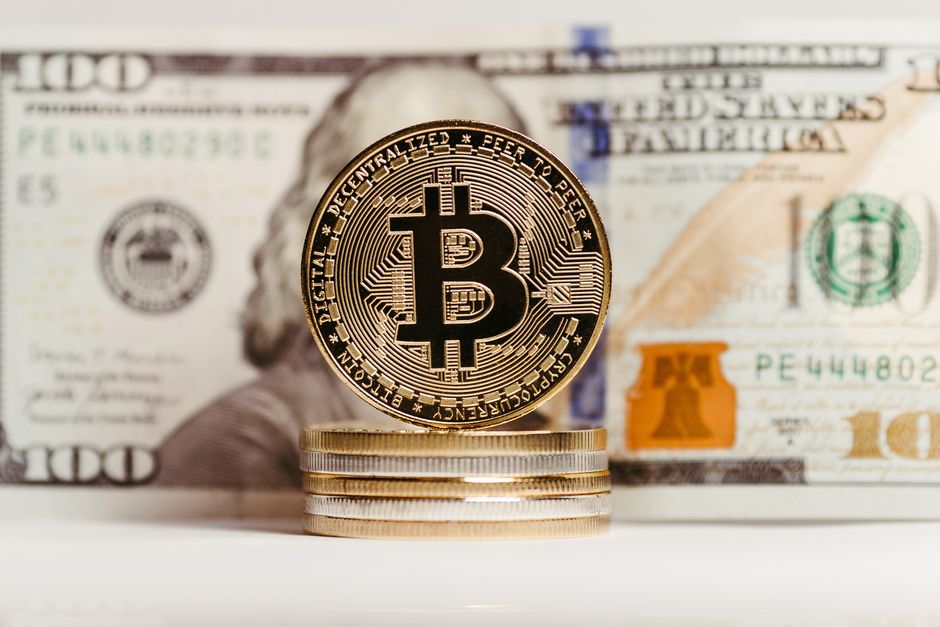
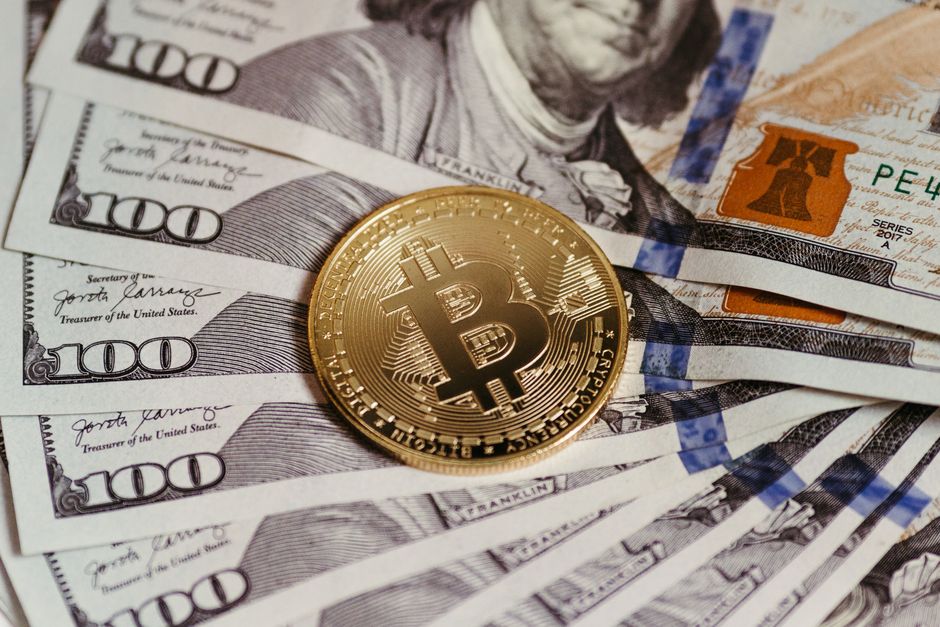
Bitcoin's 6.67% rise to $62,466 on the same session that gold surged 4.10% is not a coincidence portfolio managers should ignore. Both assets are historically read as hedges against fiat currency instability or inflationary expectations. When they move together sharply, it tends to signal genuine macro anxiety beneath the surface of equity market optimism. For Kuwait City's growing retail investor base, which has steadily expanded its crypto exposure through licensed regional platforms since 2024, the bitcoin move is validating but also a caution: the same macro fear driving today's gains can reverse hard if central bank rhetoric shifts.
The practical takeaway for Kuwaiti businesses this week is a three-part checklist. First, revisit foreign-currency exposure, particularly on euro-denominated payables, before the dollar's slide deepens. Second, build a conservative oil-price scenario into second-half budget forecasts, using $65 per barrel as a stress case rather than $75. Third, companies with liquid treasury positions invested in global equities should document their rebalancing rationale clearly, because the S&P 500 at current levels carries concentration risk that governance committees will start questioning. The market is offering strong nominal returns right now. Whether those returns survive a dollar-adjusted, dinar-denominated accounting is a different calculation entirely, and one worth doing before the weekend is out.