Gold hit $4,187 per troy ounce on Friday, a single-session gain of 4.10 percent, while WTI crude fell to $68.78 per barrel, down 2.78 percent. For Kuwait City investors, that pairing is not an abstraction. It is a direct challenge to every assumption that has anchored local portfolio construction for the past two decades: that oil wealth flows upward, equities follow, and hard assets are a hedge for the long run. All three are now moving simultaneously, and not in the directions that conventional Gulf wisdom would predict.
Wall Street offered its own complications. The S&P 500 closed at 7,483, up 1.71 percent, while the Nasdaq Composite added 1.87 percent to reach 25,833. Those are strong numbers, and Kuwait Investment Authority-tracked managers with significant allocations to US large-cap technology will be noting the gains. Bitcoin jumped 6.66 percent to $62,456, a move that will attract attention among the younger generation of Kuwaiti retail investors who have built positions in digital assets over the past three years. The euro strengthened to 1.1440 against the dollar, up 0.47 percent, adding a currency consideration for those with European equity or property holdings.
The Oil Shock That Wasn't, and Why It Still Stings
The crude slide is the number that matters most to the Kuwaiti economy in aggregate. At $68.78 per barrel, WTI is sitting well below the fiscal break-even price that most Gulf economists place somewhere north of $80 for Kuwait's national budget. Kuwait Petroleum Corporation's export revenues are the single largest driver of government receipts, and a sustained price at this level will tighten the margin available for public sector spending, infrastructure contracts and the subsidy programmes that underpin domestic consumption. The Ministry of Finance has not yet signalled a formal response to the slide, but pressure on the 2026-2027 budget arithmetic is building.
Boursa Kuwait, the domestic exchange, has historically shadowed global sentiment with a lag, and the equity rally in New York may provide some near-term support for banking and industrial names listed on the Premier Market. National Bank of Kuwait and Kuwait Finance House, the two largest listed institutions by market capitalisation, carry significant international investment portfolios whose mark-to-market values will benefit from the S&P 500's move higher. At the same time, any oil revenue compression that feeds into government deposit flows will eventually pressure the local liquidity picture, a dynamic that fixed income and sukuk investors in particular should be watching.
Gold at $4,187 is a more nuanced story for Kuwaiti households. Physical gold ownership is culturally embedded here, from jewellery souks in Mubarakiya to investment-grade bars held through local banks. A 4.10 percent single-day move translates into meaningful paper gains for those holdings, and will renew conversations about whether further allocation to the metal makes sense. The counterargument is valuation: at these levels, gold is pricing in a significant degree of systemic stress, whether geopolitical, monetary or both. Investors who bought at $3,200 earlier this year are sitting on substantial gains; the question now is whether those gains represent a completed trade or the opening act.
The Kuwaiti dinar has held its characteristic stability against the dollar, anchored by the Central Bank of Kuwait's currency basket policy. That stability is a structural advantage for import-dependent businesses, particularly those managing dollar-denominated commodity costs. But the dollar itself has been losing ground to the euro, which hit 1.1440, and a broader greenback softening would alter the real cost dynamics for Kuwaiti corporates with European supply chains or asset bases. Logistics and retail conglomerates in the First Segment should be running scenario analysis on this now, if they are not already.
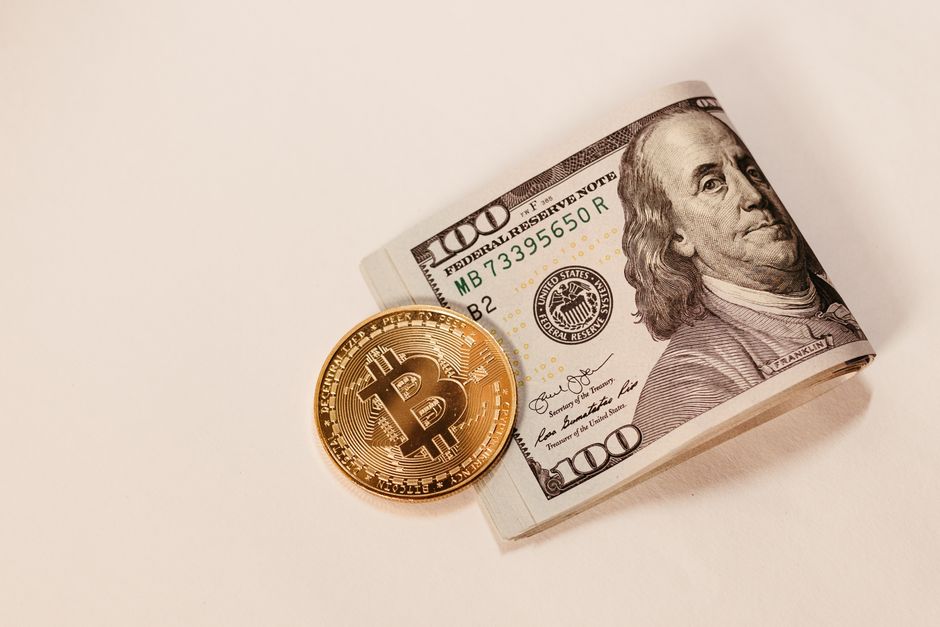
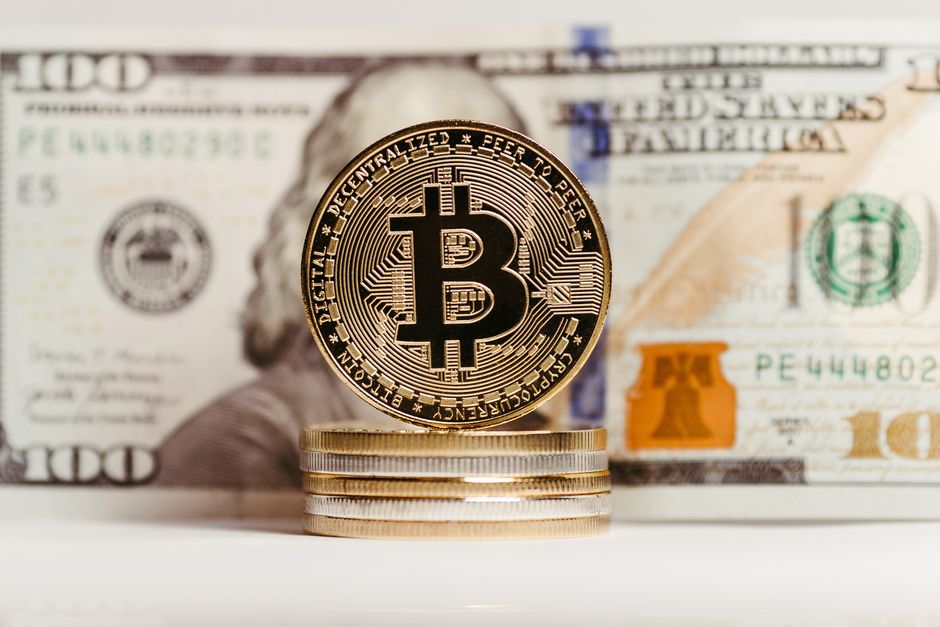
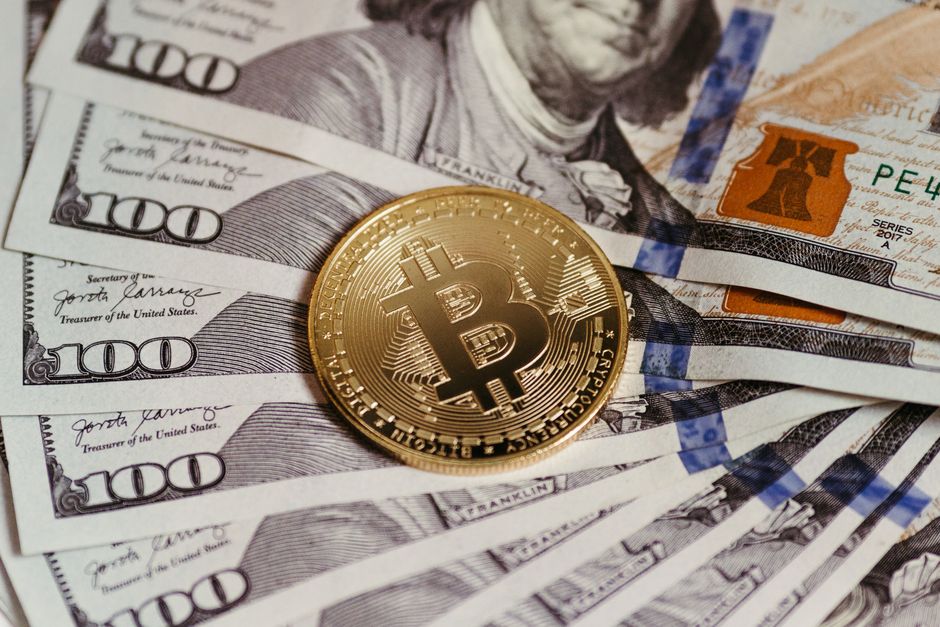
Bitcoin's 6.66 percent jump to $62,456 will draw less institutional commentary in Kuwait than in some other markets, but it is not irrelevant. A growing number of Kuwaiti family offices have allocated between two and five percent of discretionary capital to digital assets, and several exchanges operating in the region now offer regulated access. The move is partly a risk-on signal that aligns with the broader equity rally, and partly a dollar-weakness play. Neither interpretation is reassuring to those who see the asset class as speculative froth, but the price action on a day when gold and equities both rose strongly suggests this is not simply a flight from safety.
The collective message from Friday's session is that global markets are rewarding risk while simultaneously bidding up traditional hedges, a combination that reflects genuine uncertainty about the direction of the second half. For Kuwait City, where the fiscal calendar, the investment ecosystem and household wealth are all tied to a commodity that fell nearly three percent in a single day, the margin for complacency is narrowing.