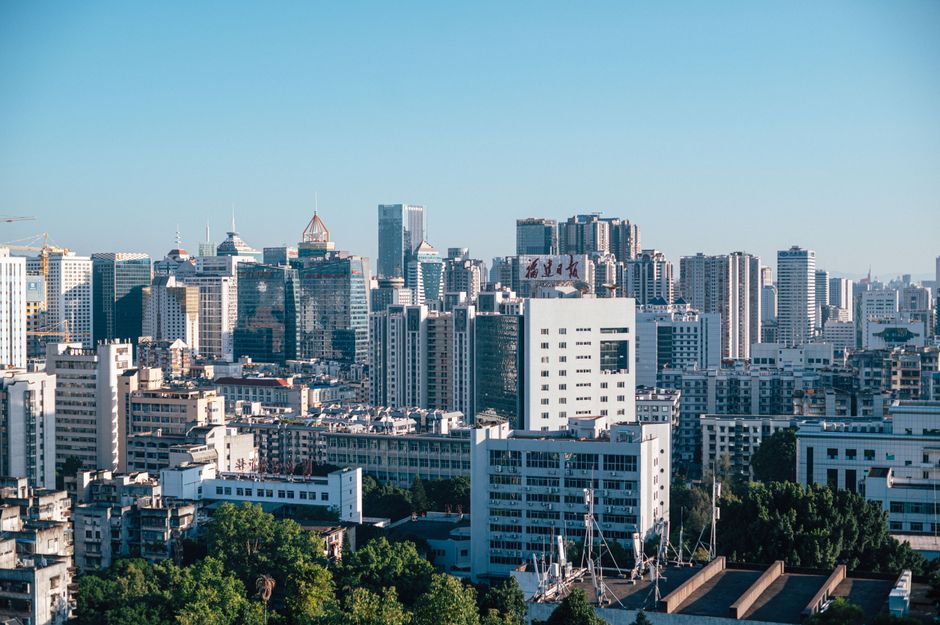
The thermometers in Salmiya hit 51°C on Thursday afternoon. That number, recorded at a monitoring station near the Gulf Road corniche, is not simply a weather statistic — it is the backdrop against which every decision about work, school, health, and movement in Kuwait City is being made right now. This July is shaping up to be one of the most demanding on record for municipal services, and residents across the capital are already feeling the pressure.
The timing matters for reasons beyond the calendar. Kuwait's Public Authority for Manpower has had its midday outdoor work ban in place since June 1, running daily from 11am to 4pm under Ministerial Decision No. 217/2003, but enforcement complaints have spiked sharply in the past two weeks. The Ministry of Health's emergency departments at Mubarak Al-Kabeer Hospital in Jabriya and Al-Amiri Hospital near the waterfront have both reported elevated heat-related admissions since late June. Community clinics in Farwaniya and Hawalli are seeing walk-in patients with heat exhaustion symptoms every few hours.
Infrastructure Under Pressure
Electricity demand is the immediate crisis. The Ministry of Electricity, Water and Renewable Energy confirmed this week that national power consumption has surpassed 17,000 megawatts — a figure that strains the grid to near-capacity. Rolling brownouts have hit residential towers in the Rumaithiya and Bayan districts, lasting between 20 and 45 minutes per incident. For elderly residents and families with young children in those neighbourhoods, losing air conditioning at midday is not an inconvenience; it is a medical threat.
The Kuwait Municipality's water network is under comparable stress. Desalination output from the Doha East and Shuaiba plants is running at full capacity, yet water pressure complaints from Fahaheel and Mangaf in the south have increased. The municipality hotline — 1800008 — received more than 3,400 calls in June alone related to water or electricity issues, according to figures shared with local Arabic-language outlet Al-Qabas this week.
Residents in older apartment blocks in Hawalli, many occupied by expatriate workers earning below 200 Kuwaiti dinars per month, are particularly exposed. These buildings often have aging cooling systems and minimal insulation. Community advocacy group Kuwait Human Rights Society flagged in a statement earlier this week that low-income migrant workers remain among the most vulnerable, and called on the government to expand shaded rest stations beyond the current 12 operating in the industrial area of Shuwaikh.
What Residents Should Know Now
The Civil Service Commission has confirmed that government offices are maintaining reduced public hours — 7:30am to 1pm — through September 30. That window is shrinking every practical workday. Private sector employees covered by the Labour Law should be aware that the outdoor ban is legally enforceable, and workers can file complaints directly through the Manpower Authority's online portal or at its Safat Square office without fear of immediate employer retaliation under Article 66 of the Private Sector Labour Law.
For families managing the school-free summer period, the Kuwait Foundation for the Advancement of Sciences is running its annual youth science programme at Kuwait University's Khaldiya campus through August 15, providing air-conditioned indoor activity for children aged 8 to 16. Registration fees are 35 dinars per child for the full session. The Avenues Mall in Rai and 360 Mall in Zahra have both extended operating hours to 2am to accommodate residents avoiding the peak daytime heat, and both malls have active cooling rest areas open to all visitors without a purchase requirement.
Practically speaking: outdoor errands should be compressed into early morning before 9am or after sunset. Car interiors can reach 70°C within minutes when parked in direct sun — a documented risk for children and pets. The municipality's mobile app, Baladi, allows residents to report failed streetlights or unsafe conditions in real time, which matters when broken pavement near shaded walkways removes the only viable walking route. The next two months will not get easier. But knowing exactly which services exist, and where, makes a measurable difference.