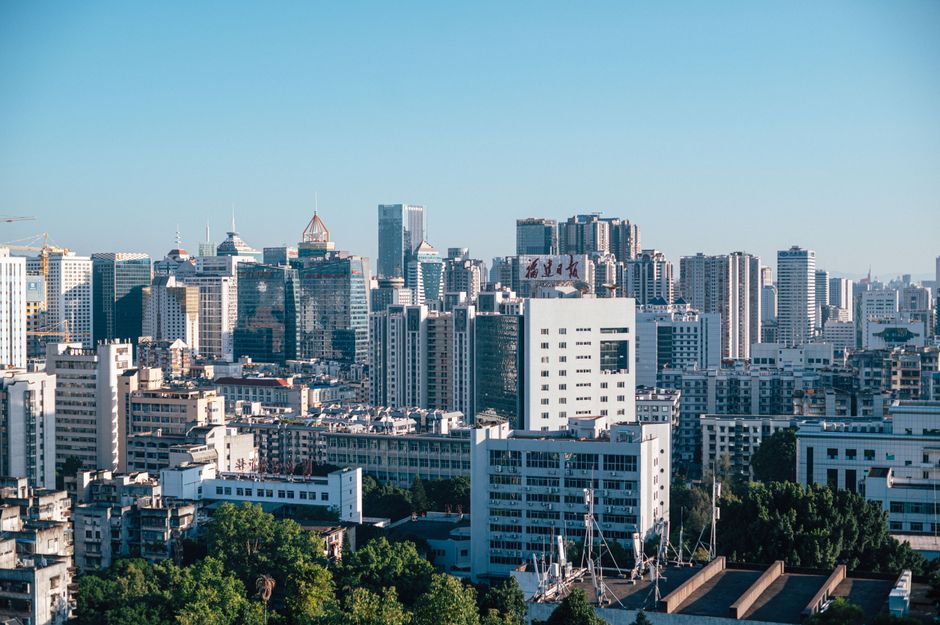
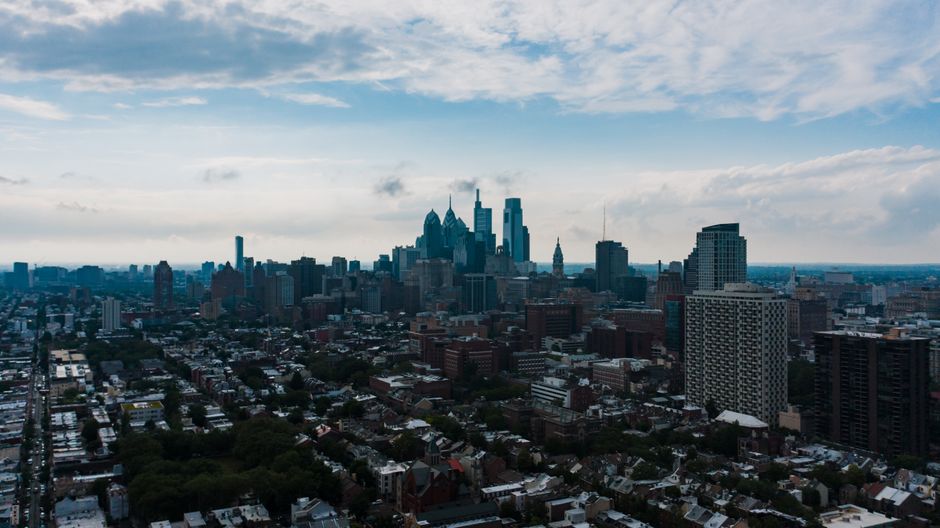
Kuwait City recorded a peak daytime temperature of 51.2 degrees Celsius on Wednesday, July 1, according to Kuwait Meteorological Department figures — the highest reading at Kuwait International Airport in over three years and the seventh consecutive day above 49 degrees. The compound effect of that sustained heat on urban infrastructure, public health services, and the local economy has dominated city administration discussions all week.
The timing matters because Kuwait is simultaneously managing a period of elevated national electricity consumption that typically peaks in mid-July, and this year the curve arrived nearly two weeks early. The Ministry of Electricity, Water and Renewable Energy reported that the national grid absorbed 16,800 megawatts of demand on the afternoon of July 2 — a figure that approaches the 17,200-megawatt ceiling recorded during the record summer of 2023. Transformers in the Rumaithiya and Salmiya districts experienced brief load-shedding episodes lasting between 12 and 25 minutes on the evening of July 1, according to the ministry's published incident log.
Heat Forces Cancellations, Stretches Emergency Capacity
The municipality cancelled three planned outdoor community events in Souq Mubarakiya and along the Arabian Gulf Street corniche this week after the Kuwait Public Authority for Sport issued a formal advisory against outdoor physical activity between 7 a.m. and 8 p.m. That advisory, issued June 29 and currently extended through July 10, covers all 21 public parks administered by Kuwait Municipality. The Sief Palace area and Green Island recreational complex both closed their outdoor sections at midday on July 2 and have not fully reopened since.
Amiri Hospital and Mubarak Al-Kabeer Hospital both reported elevated admissions for heat-related illness this week. The Ministry of Health's public dashboard showed 214 emergency cases classified under heat exhaustion or heat stroke between June 28 and July 3 — up 38 percent compared to the same seven-day window in 2025, when the figure stood at 155. Roughly 60 percent of those patients were migrant workers in the construction and landscaping sectors, consistent with prior years, though advocacy organisations have for years argued that existing protections under the Midday Work Ban — which prohibits outdoor labour from 11 a.m. to 4 p.m. during June, July, and August — are inconsistently enforced on smaller private contracting sites in the Jleeb Al-Shuyoukh and Mahboula areas.
What the Electricity and Cost Data Reveal
Household electricity bills tell part of the economic story. Kuwait heavily subsidises residential power, fixing the residential tariff at 2 fils per kilowatt-hour, but the actual cost of generation is estimated by the Arab Monetary Fund at roughly 25 fils per unit — meaning the government absorbs the difference on every air-conditioner running through July. At current consumption rates, analysts at the Kuwait Institute for Scientific Research have previously estimated summer power subsidies cost the state upward of 900 million Kuwaiti dinars annually, approximately 2.9 billion US dollars. This week's demand spike has renewed calls inside the National Assembly's Finance and Economic Affairs Committee for a tiered tariff pilot programme, a proposal that has stalled repeatedly since it was first circulated in 2019.
Water consumption data adds another layer. Kuwait Water Towers — the landmark storage and distribution network — processed 600 million imperial gallons of desalinated water on July 2 alone, according to ministry figures, against a designed daily capacity of 640 million gallons, leaving minimal headroom for any equipment failure at the Doha or Az-Zour desalination plants.
City planners and residents face a predictable next phase: the third week of July is historically the most severe period of the summer heat cycle in Kuwait, and the meteorological department's 10-day forecast shows no meaningful drop below 47 degrees until at least July 14. The Public Authority for Civil Information has advised residents in older apartment buildings in Hawalli and Farwaniya governorates to report any power fluctuations immediately to 102, the ministry's dedicated grid fault line, rather than waiting for scheduled maintenance windows. Water storage tanks should be checked and filled before noon each day while high-demand conditions persist.