Gold hit $4,187 per troy ounce on Friday, a gain of 4.10 percent in a single session, marking one of the metal's sharpest single-day moves this year. The S&P 500 simultaneously climbed to 7,483, up 1.71 percent, while the Nasdaq Composite surged to 25,833, adding 1.87 percent. For Kuwait City investors juggling positions across global equities and the Gulf bourse, the day delivered a split verdict: the paper gains looked impressive, but the collapse in WTI crude to $68.78 per barrel, down 2.78 percent, cut directly to the heart of the income story that matters most to shareholders here.
Kuwait's listed companies are disproportionately tied to the energy complex, whether through direct hydrocarbon exposure, downstream petrochemicals, or the banking sector whose loan books are intertwined with oil-related corporate borrowers and government spending cycles. When crude softens to the high $60s, analysts on Kuwait City trading floors begin revising distribution assumptions for the next fiscal period. Kuwait Petroleum Corporation's upstream activity sets the tone for the broader economy, and with Brent and WTI both trading well below the government's budgeted breakeven price, which most Gulf economists peg somewhere above $80 per barrel, the fiscal arithmetic for dividend-paying state-linked entities becomes more constrained. Shareholders relying on those distributions for income should treat Friday's crude drop not as a one-day anomaly but as part of a trend that has persisted since late spring.
The Dollar Erosion Problem for Gulf Income Portfolios
The Kuwaiti dinar is pegged to a basket of currencies in which the US dollar carries the dominant weight. That peg provides stability, but it also means Kuwait City investors holding dollar-denominated assets must now contend with a dollar that slipped against the euro on Friday, with EUR/USD rising to 1.1440, a gain of 0.47 percent. For those with European equity positions or euro-denominated bond holdings, that currency shift adds a modest tailwind. But for the bulk of local investors whose income streams are priced in dollars, from dividends on New York-listed multinationals to coupon payments on Gulf sovereign debt, the direction of the greenback matters enormously. A structurally weaker dollar over the second half of 2026 would erode the real purchasing power of those distributions when converted back through the dinar basket.
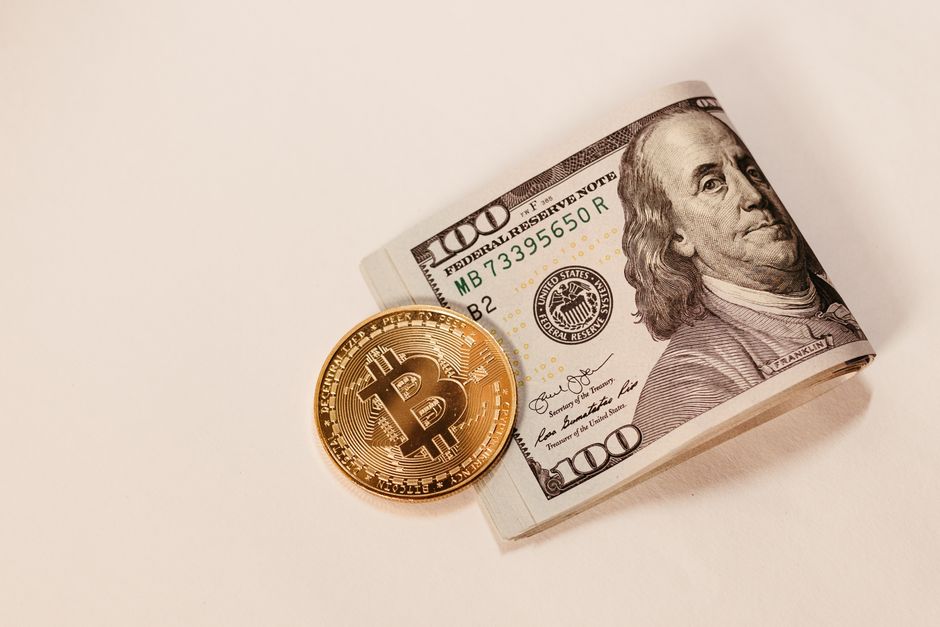
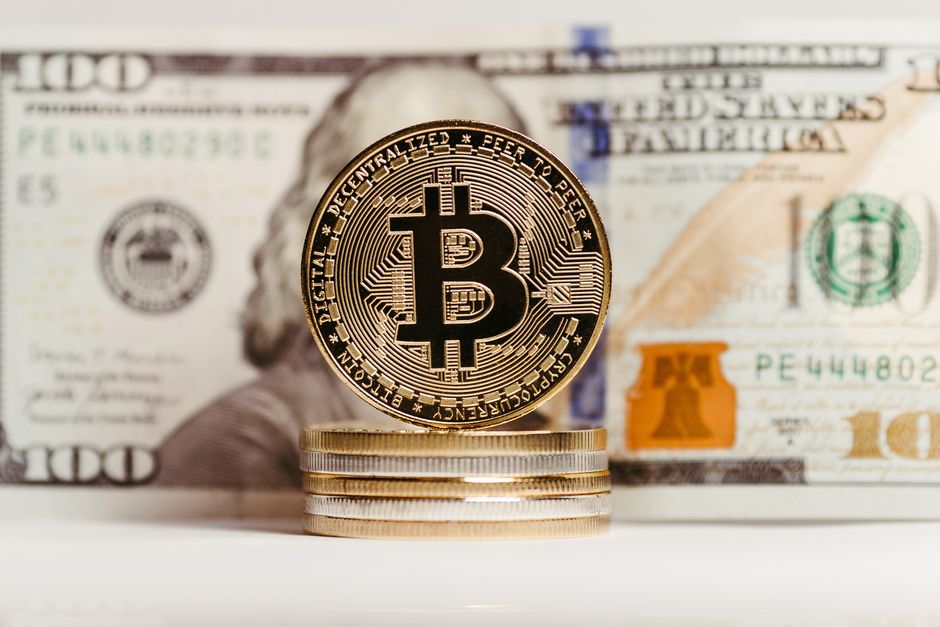
Bitcoin's leap to $62,456, a gain of 6.66 percent on the day, will attract attention among younger Kuwait City investors who have been building crypto allocations alongside their conventional portfolios. But cryptocurrency generates no dividend, no coupon and no rental yield. For income-focused shareholders, it remains a speculative growth position at best, a volatility amplifier at worst. The day's crypto rally, driven partly by renewed institutional appetite and partly by technical momentum, tells you something about risk appetite globally, but it offers nothing concrete to the retiree or the family office managing a multigenerational wealth mandate in Kuwait City.
The gold move is a different matter. The $4,187 price reflects genuine safe-haven buying layered on top of persistent central bank accumulation by sovereign wealth managers across the Gulf and Asia. Kuwait's own sovereign wealth structures, managed through the Kuwait Investment Authority, have historically maintained gold as a reserve asset. At current prices, that allocation has delivered exceptional capital appreciation. The question for private investors mirroring that approach is whether gold can continue performing as both a hedge and an income substitute. It cannot pay a dividend, but at these levels some investors are generating income through covered call strategies written against gold ETF positions, a practice that has gained traction among sophisticated traders at several Kuwait City private banks.
Friday's equity rally in New York was broad-based, with technology and consumer discretionary sectors leading gains on the Nasdaq. For Kuwait City investors holding positions in large-cap American technology names through direct brokerage accounts or through feeder funds run by local asset managers, the day added meaningful mark-to-market value. The more pressing medium-term question is whether those companies will sustain or grow their dividend payouts. Several of the largest US technology firms have initiated or expanded dividend programmes in recent quarters, making them newly relevant to income-oriented Gulf portfolios that previously dismissed them as pure growth plays.
The composite picture on July 4 is one of genuine tension. Global equities and gold are pricing in a soft-landing scenario with accommodative financial conditions. Oil is pricing in demand concerns and supply competition. Kuwait City income investors sit at the intersection of both narratives, collecting dividends from an oil-linked local economy while reaching for yield through global allocations. Managing that tension, rather than being whipsawed by it, will define portfolio outcomes through the remainder of this year.